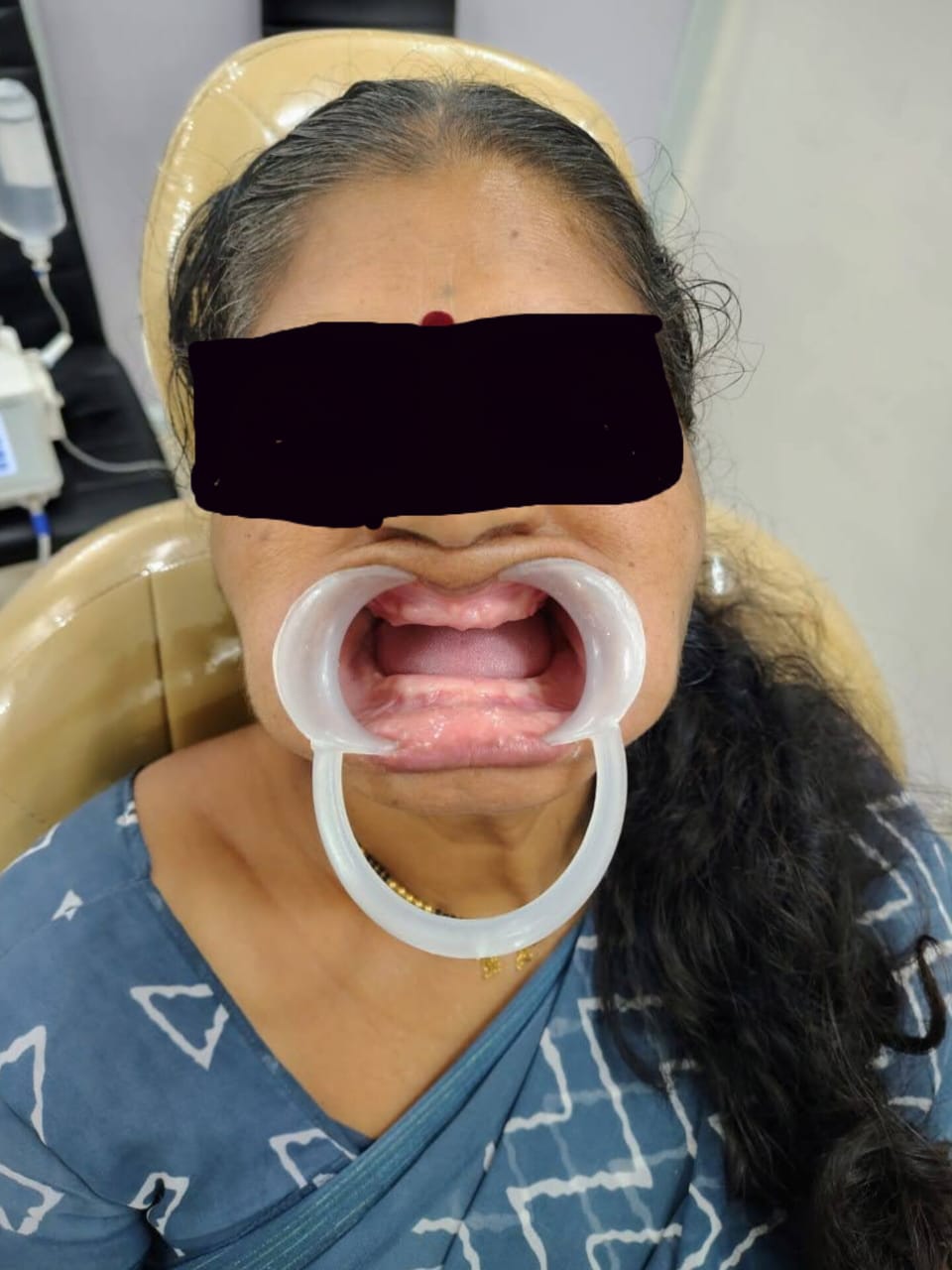
Before
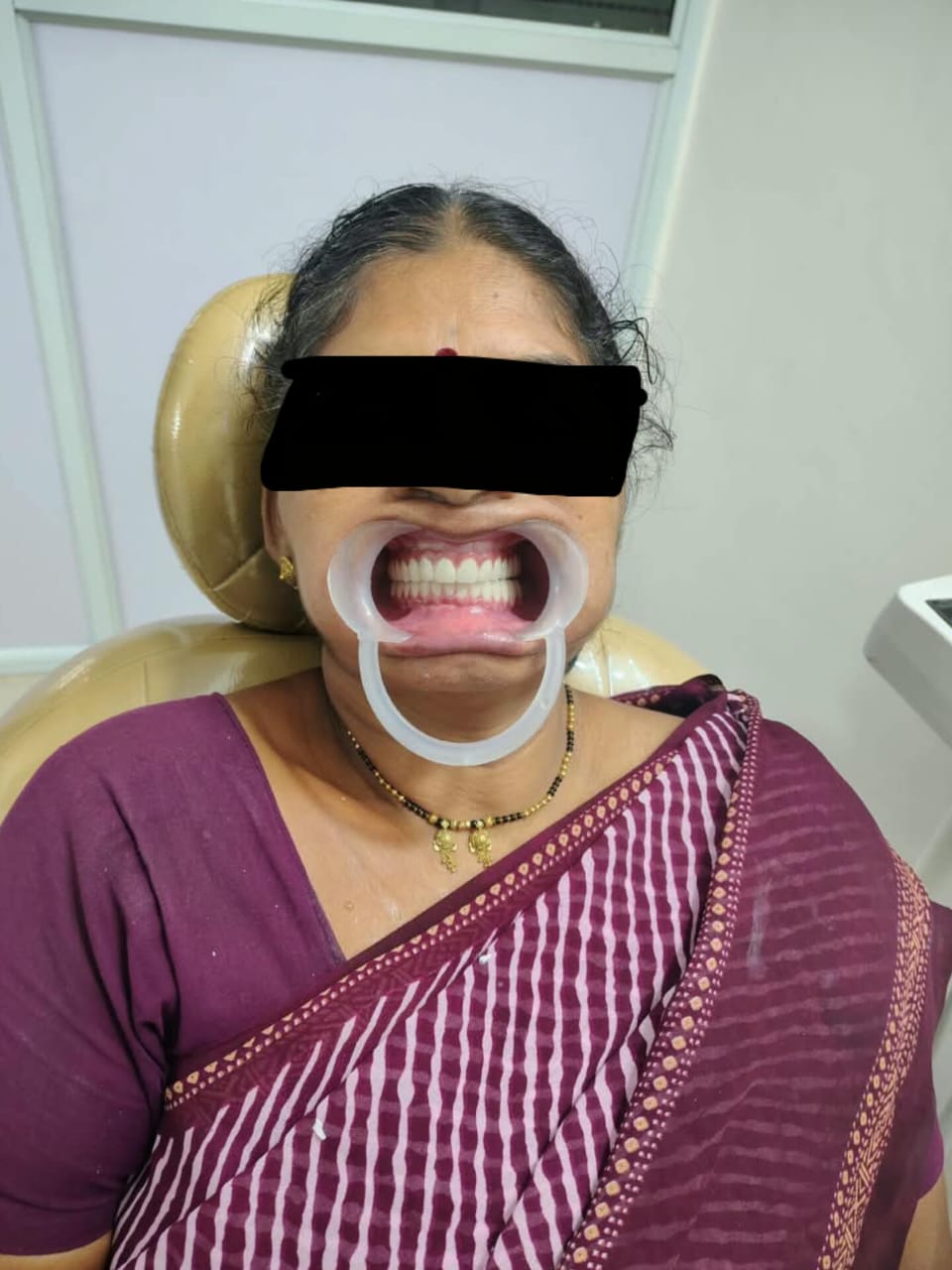
After
Mrs Mane · Manjari Khurd, Pune district
Fixed smile expertise
A precise, patient-first approach to full-mouth rehabilitation with corticobasal implants—designed for stability, function and a natural-looking fixed smile.
Fixed solutionBuilt for function
Focused planClinically guided
Individual careNeeds assessed first
Our happy patients
Before & after
Before
After
Mrs Mane · Manjari Khurd, Pune district
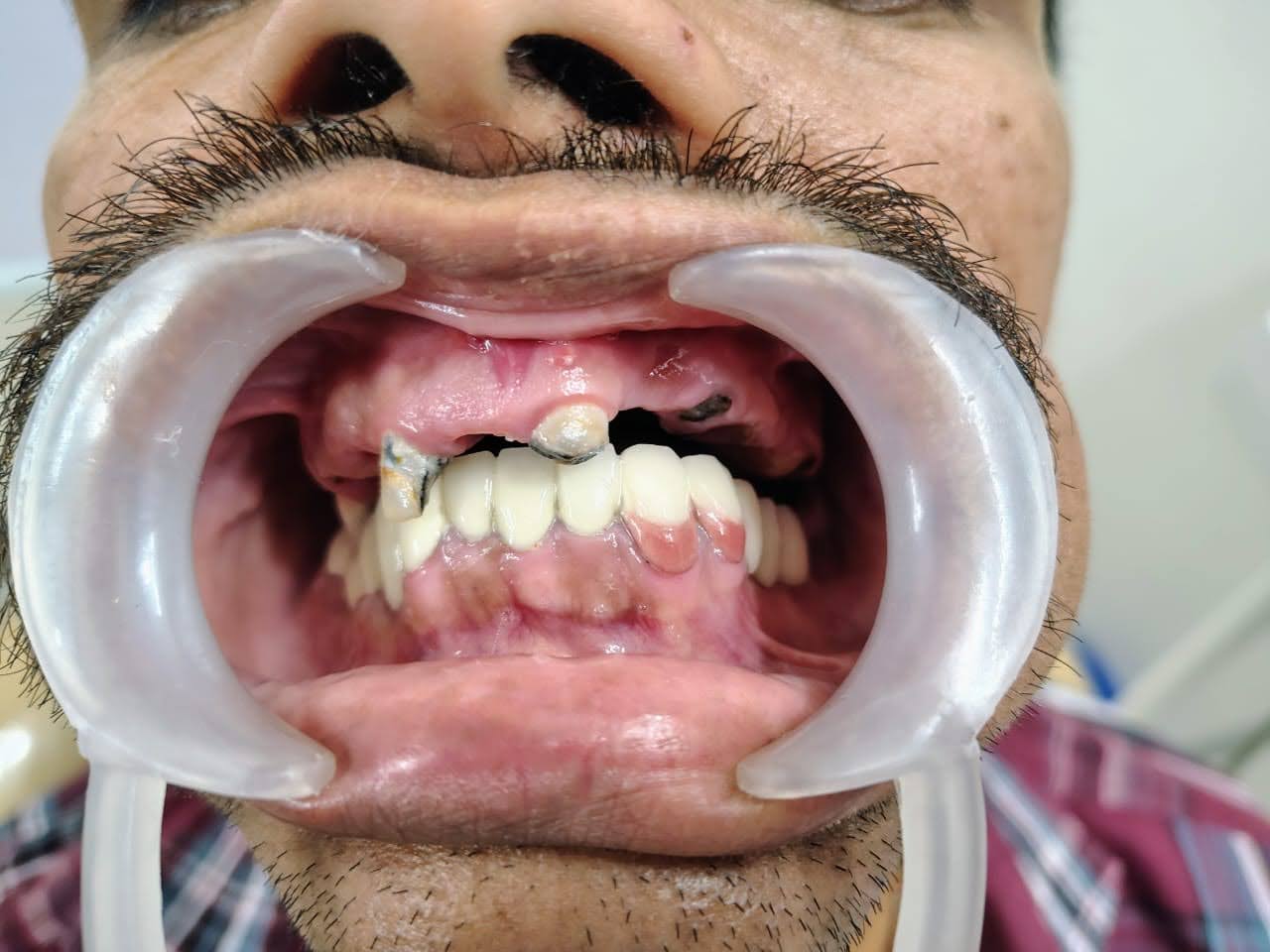
Before
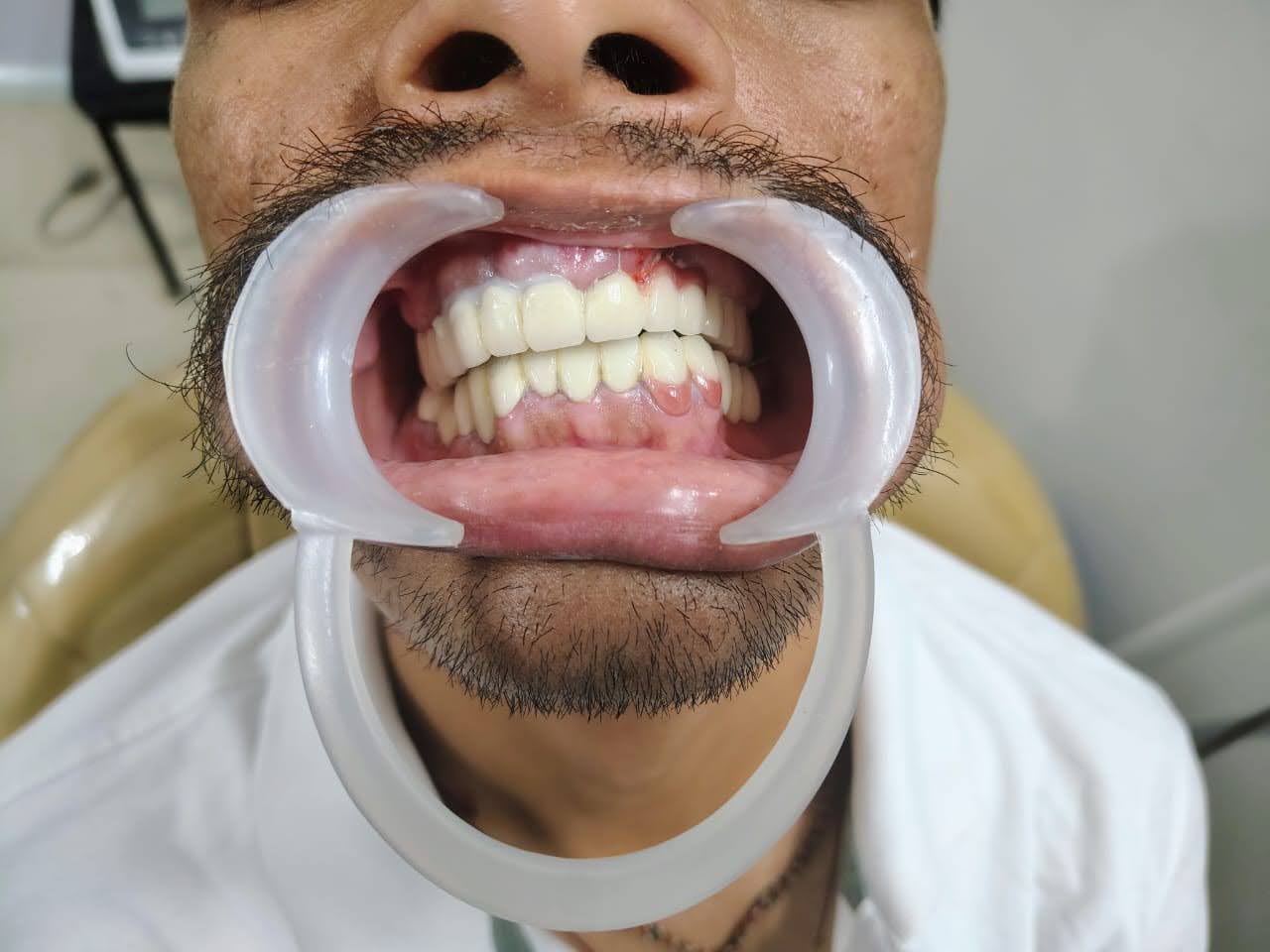
After
Mr Sagar Jadhav · Mahalunge, Pune
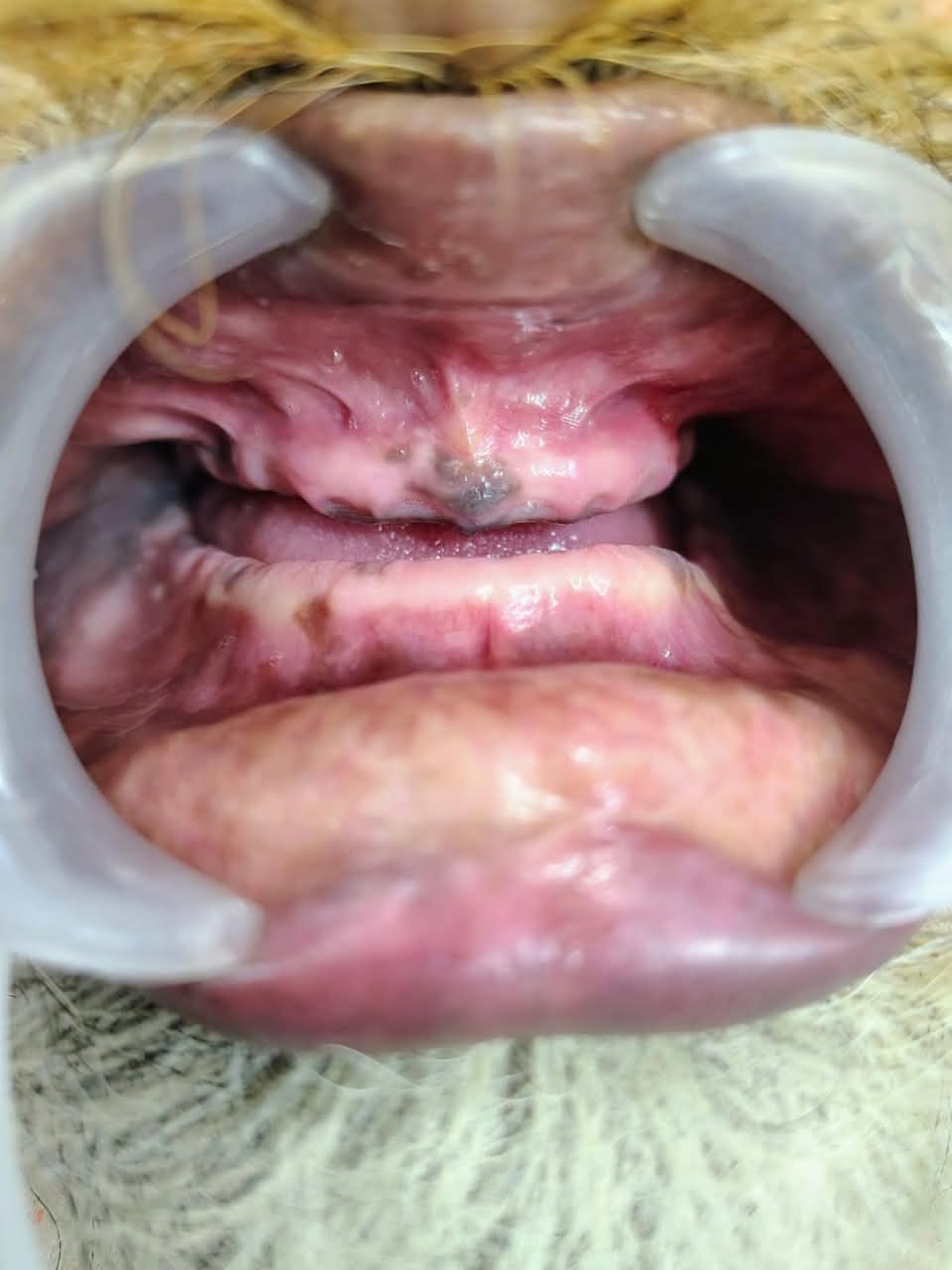
Before
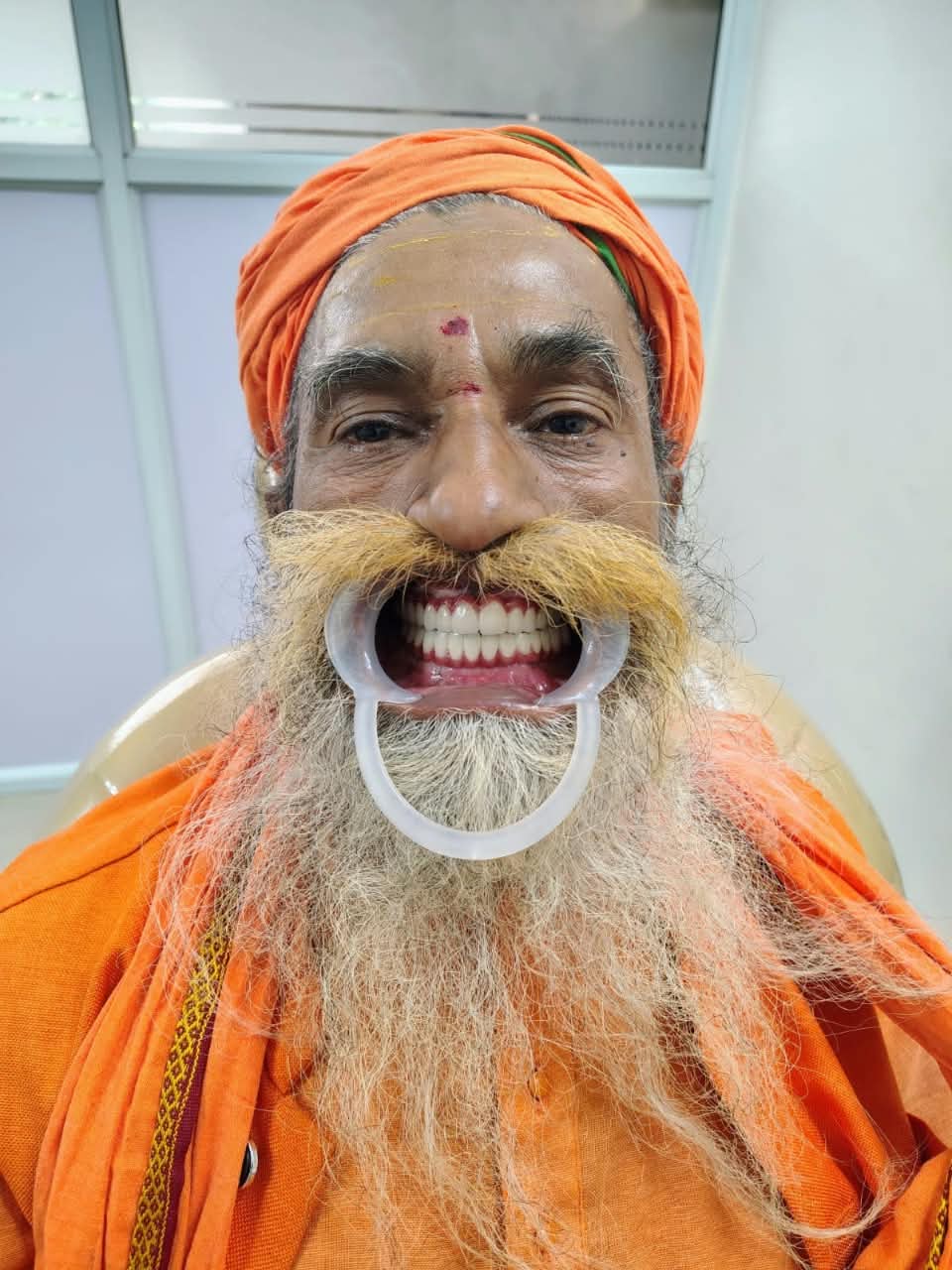
After
Chandangiri Maharaj · Bhandara Dongar, Dehu, Pune
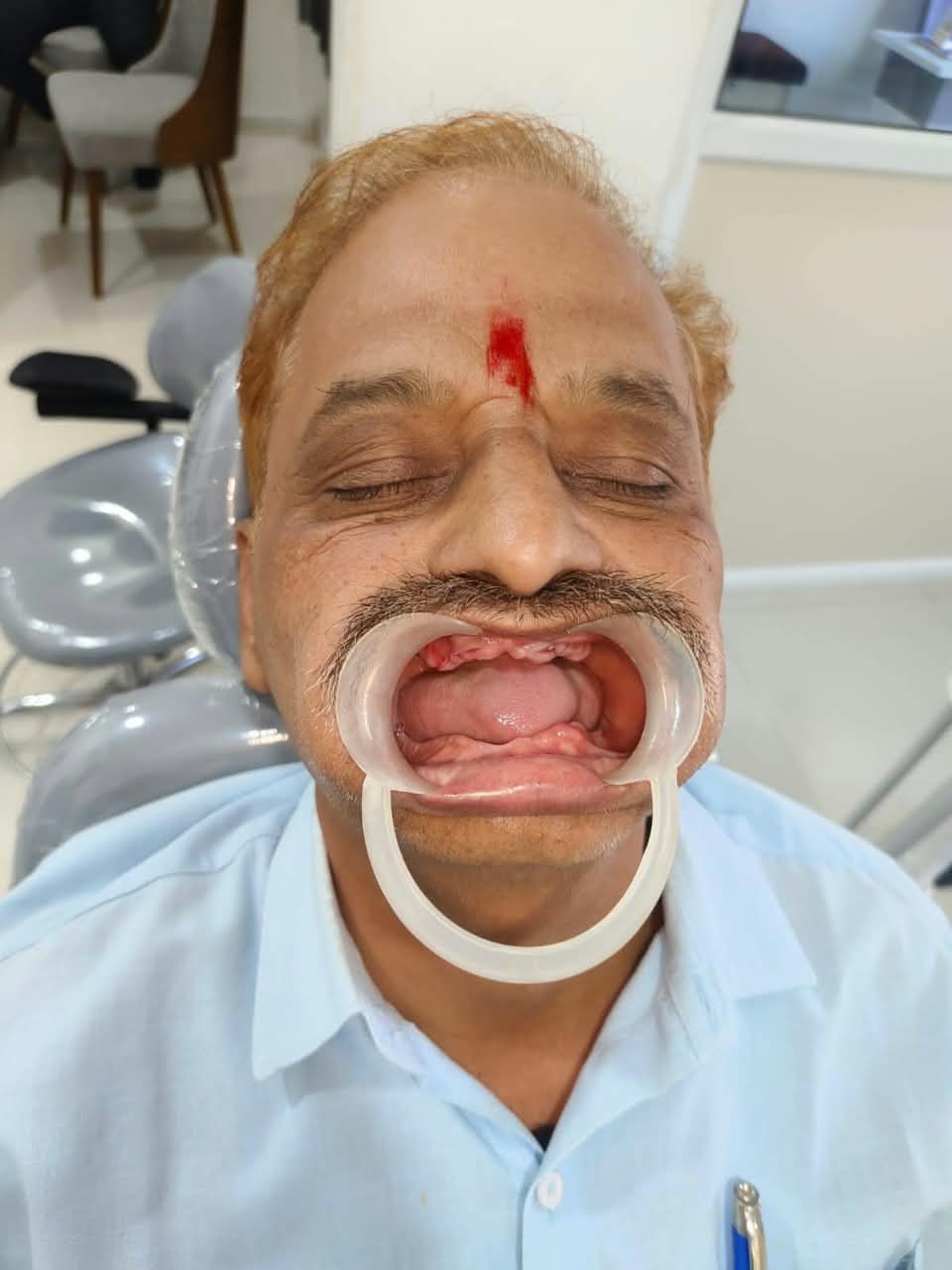
Before
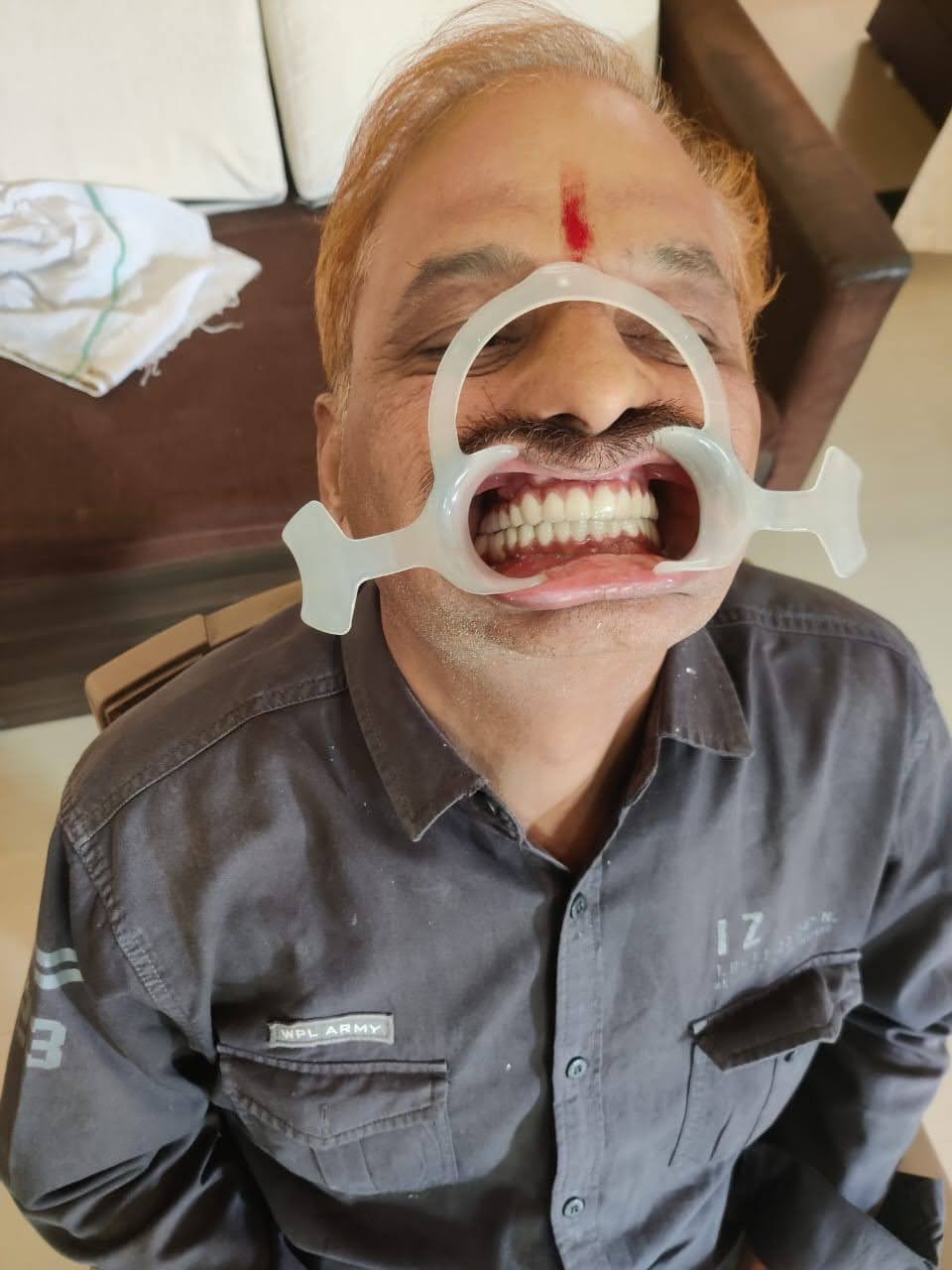
After
Murlidhar Visave · Jalgaon
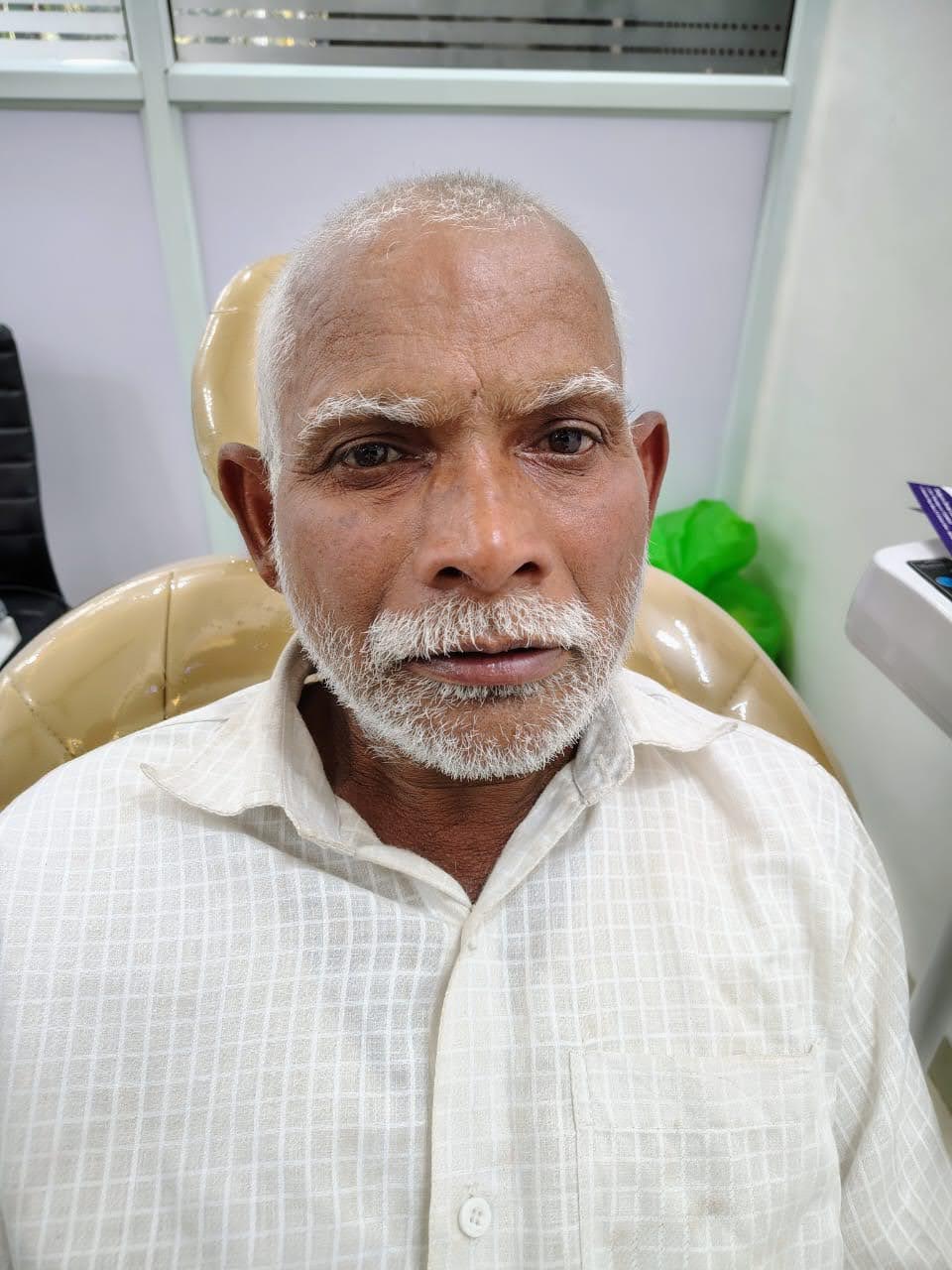
Before
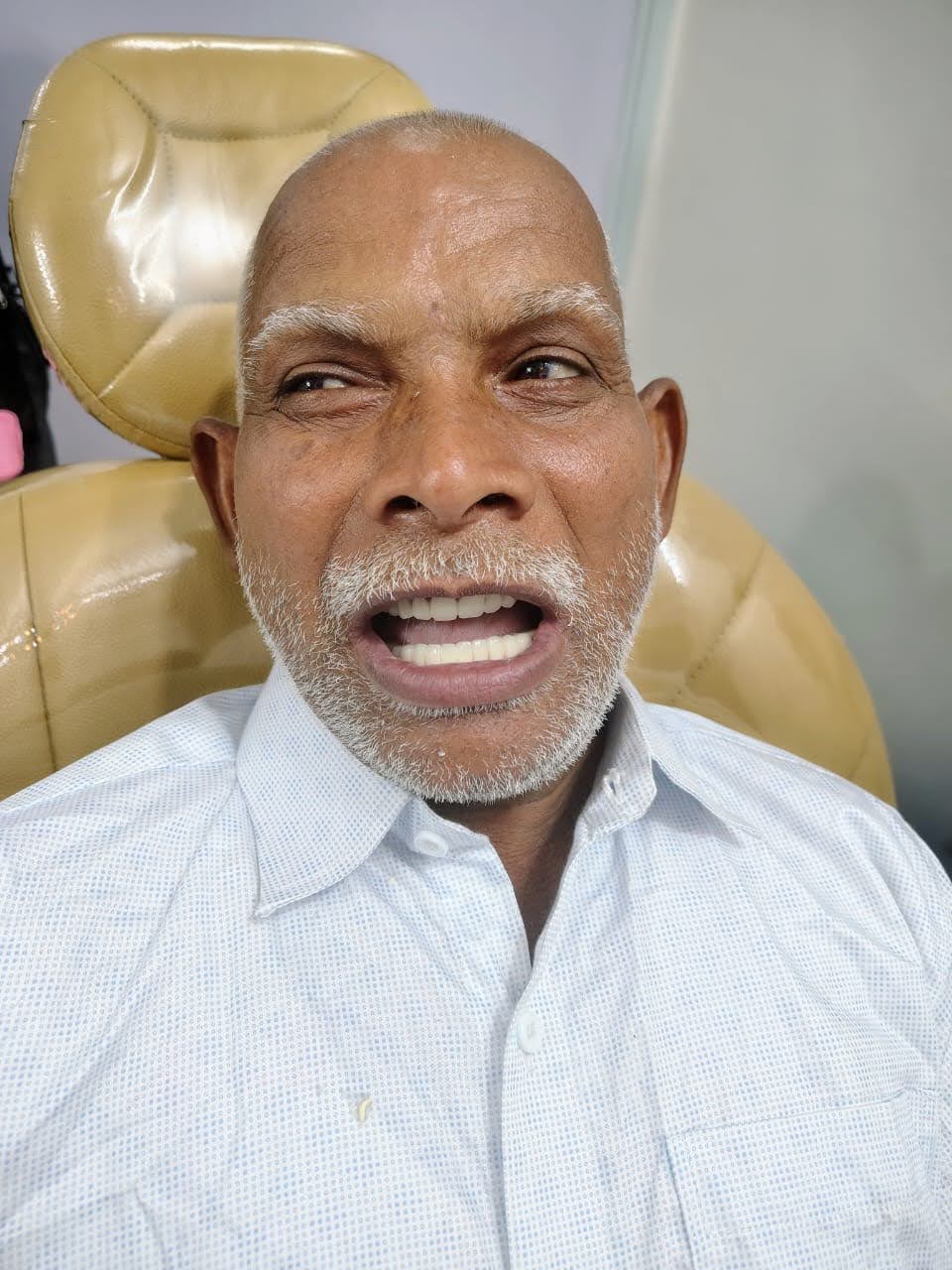
After
Mr Uttam Hagavane · Dehu, Pune
Patient with special needs
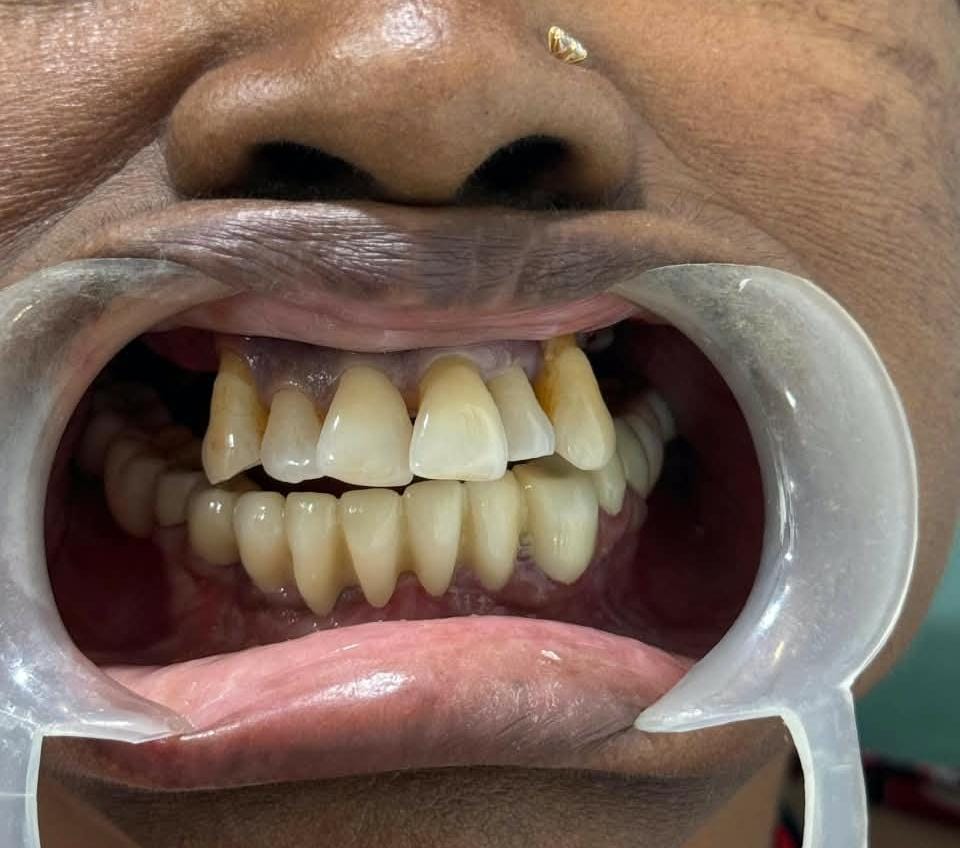
Before
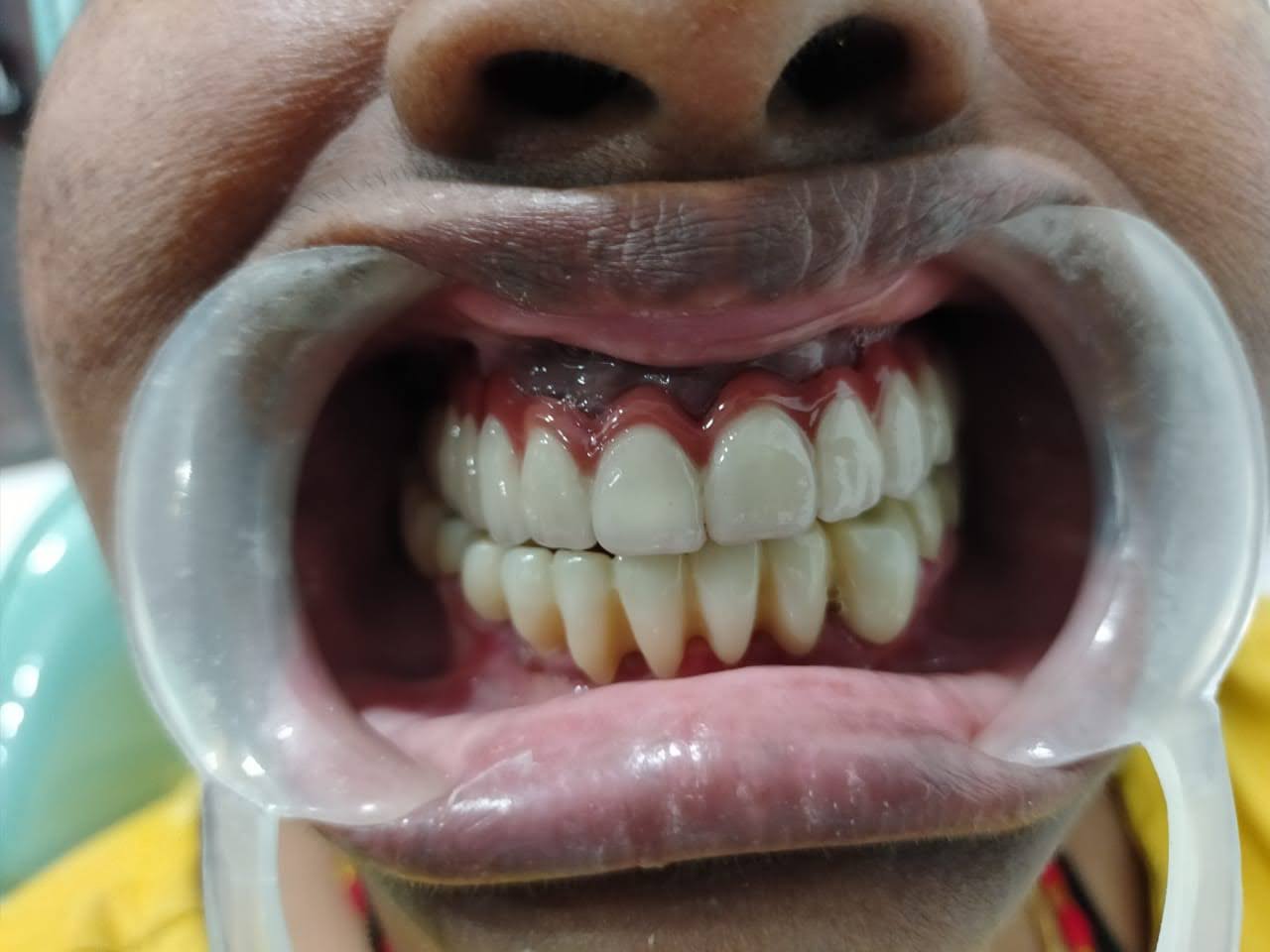
After
Surekha Kamble · Wakad, Pune
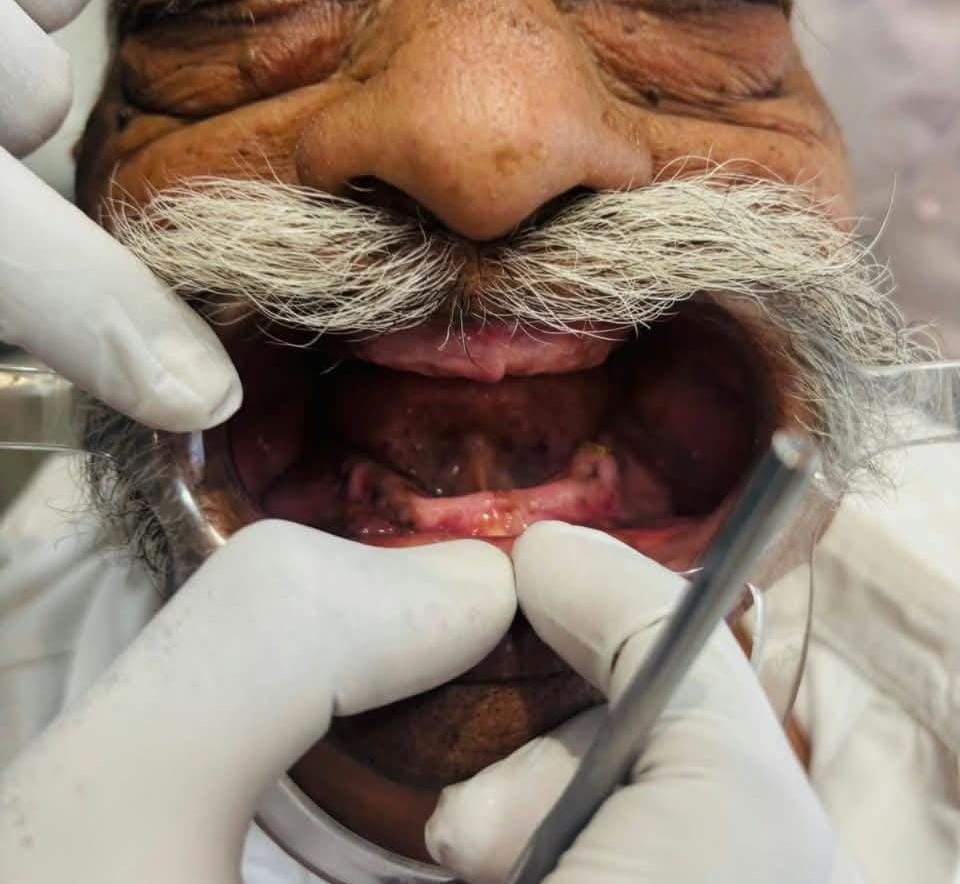
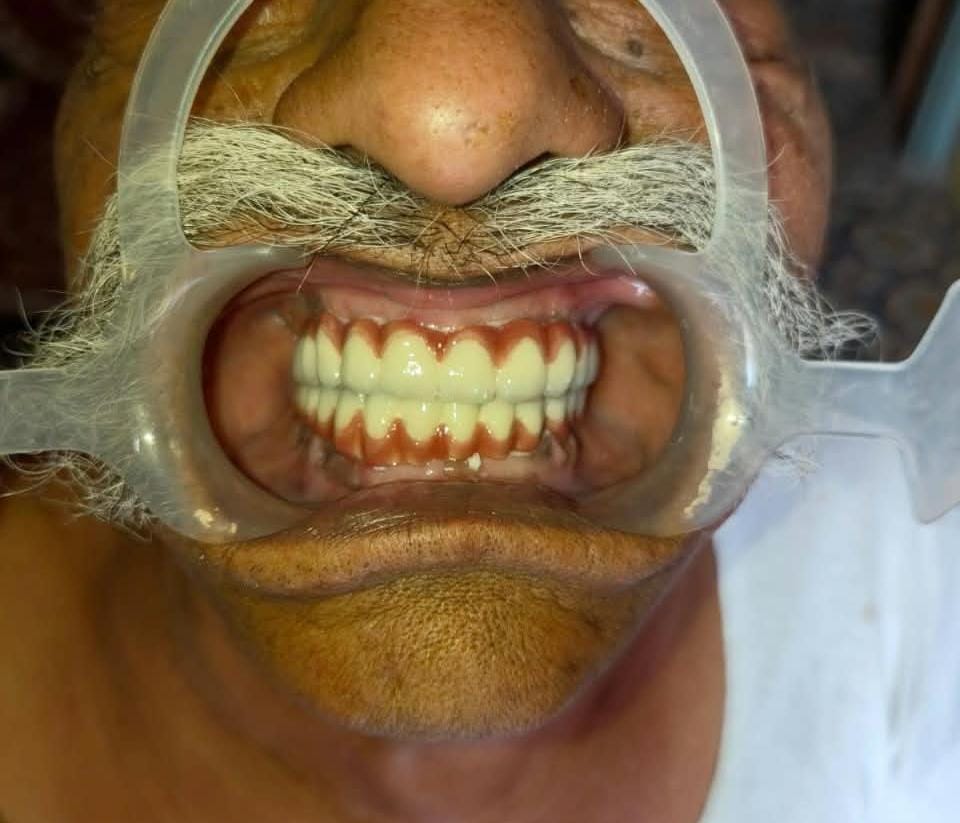
Before
After
Ravindra Varad · Bhusawal, Jalgaon
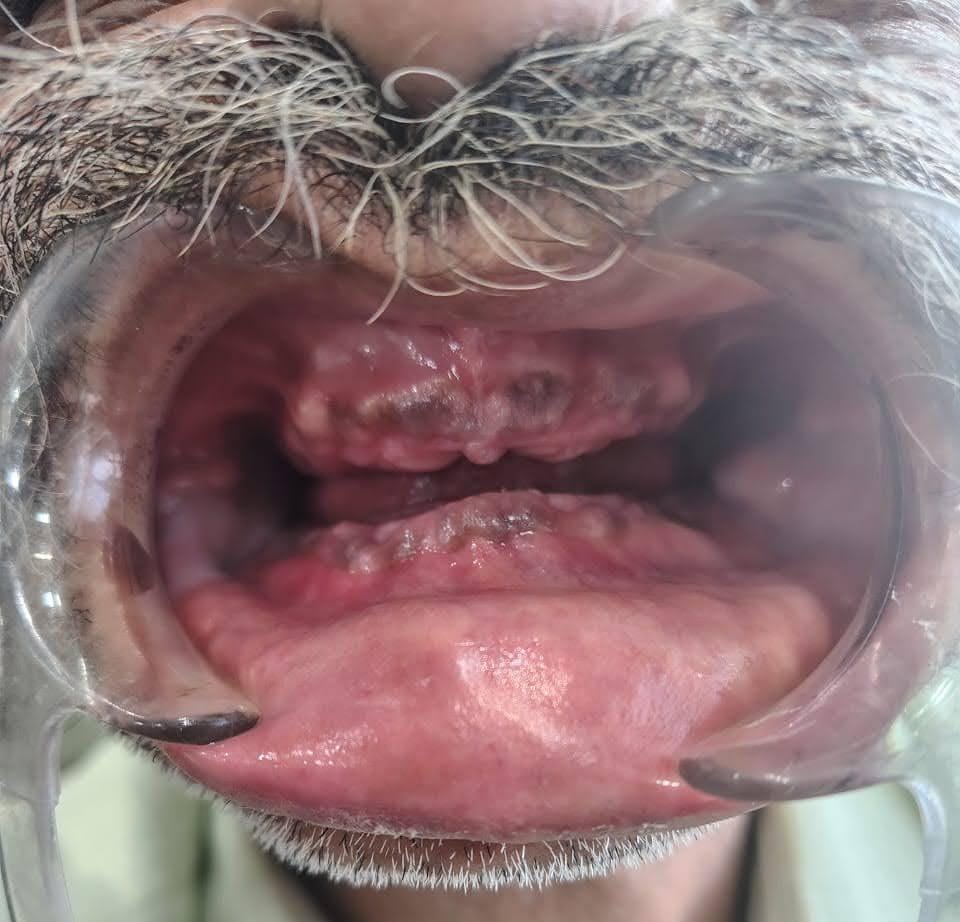
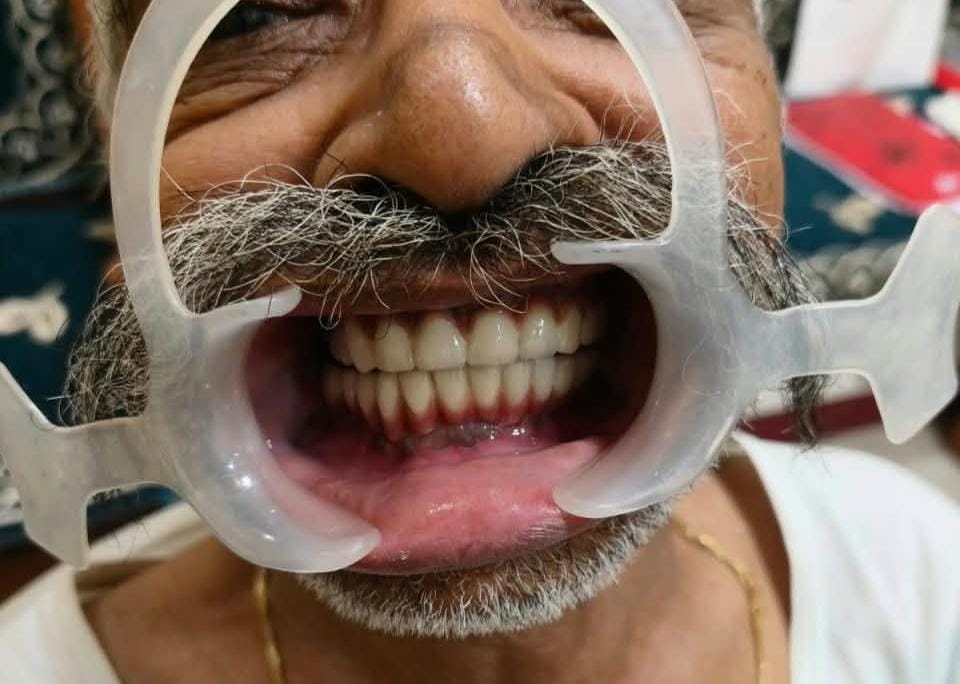
Before
After
Pravinkumar Churadiya · Nashik
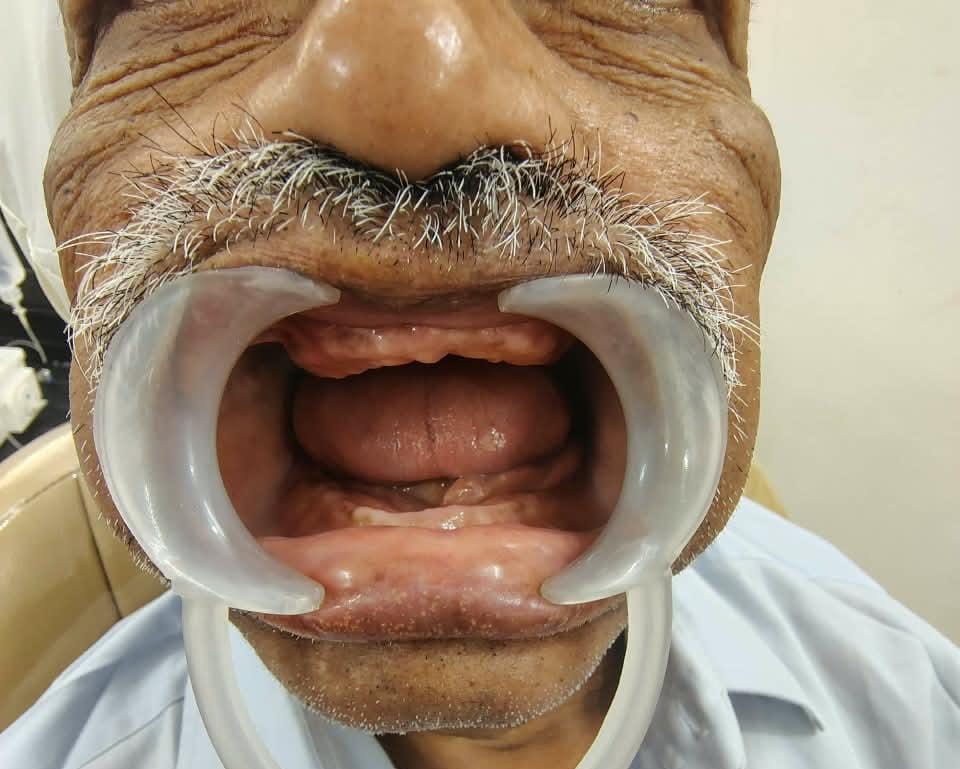
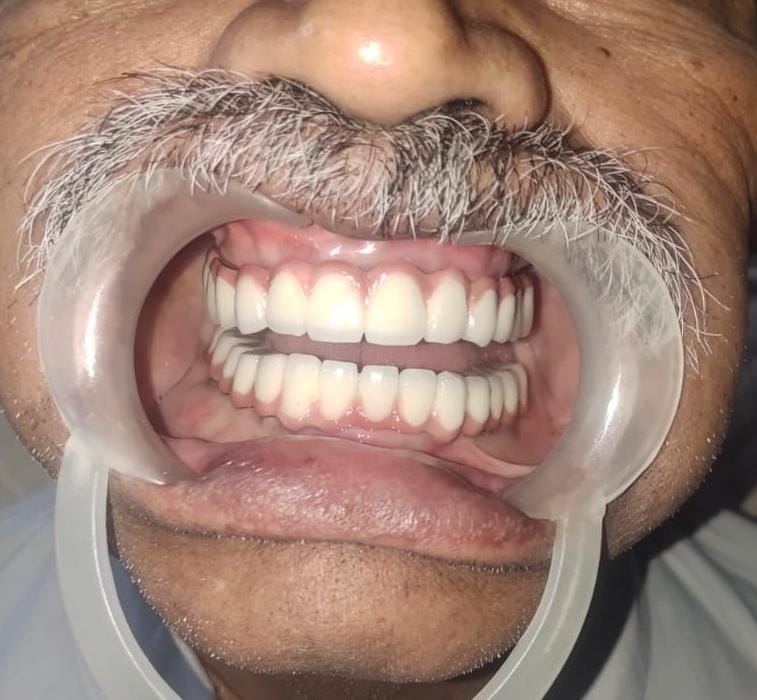
Before
After
Hanumant Burde · Charholi, Pune
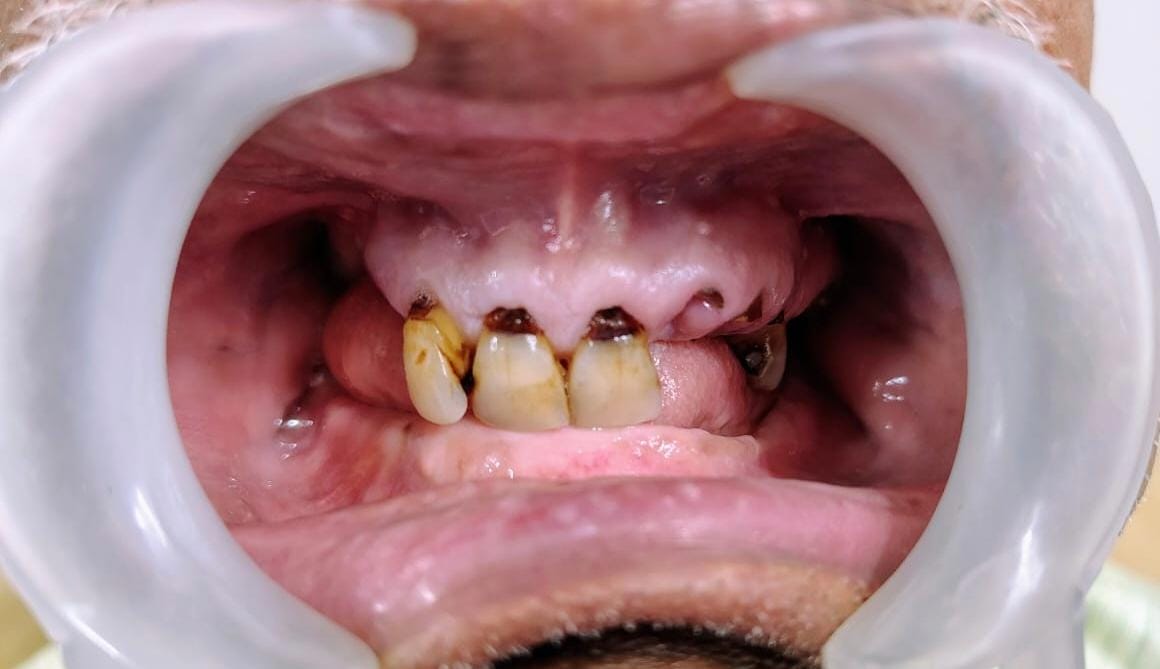
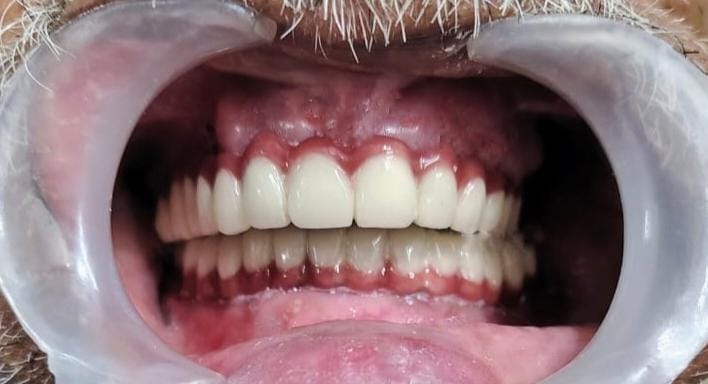
Before
After
Balasheb Nimhan · Pashan, Pune
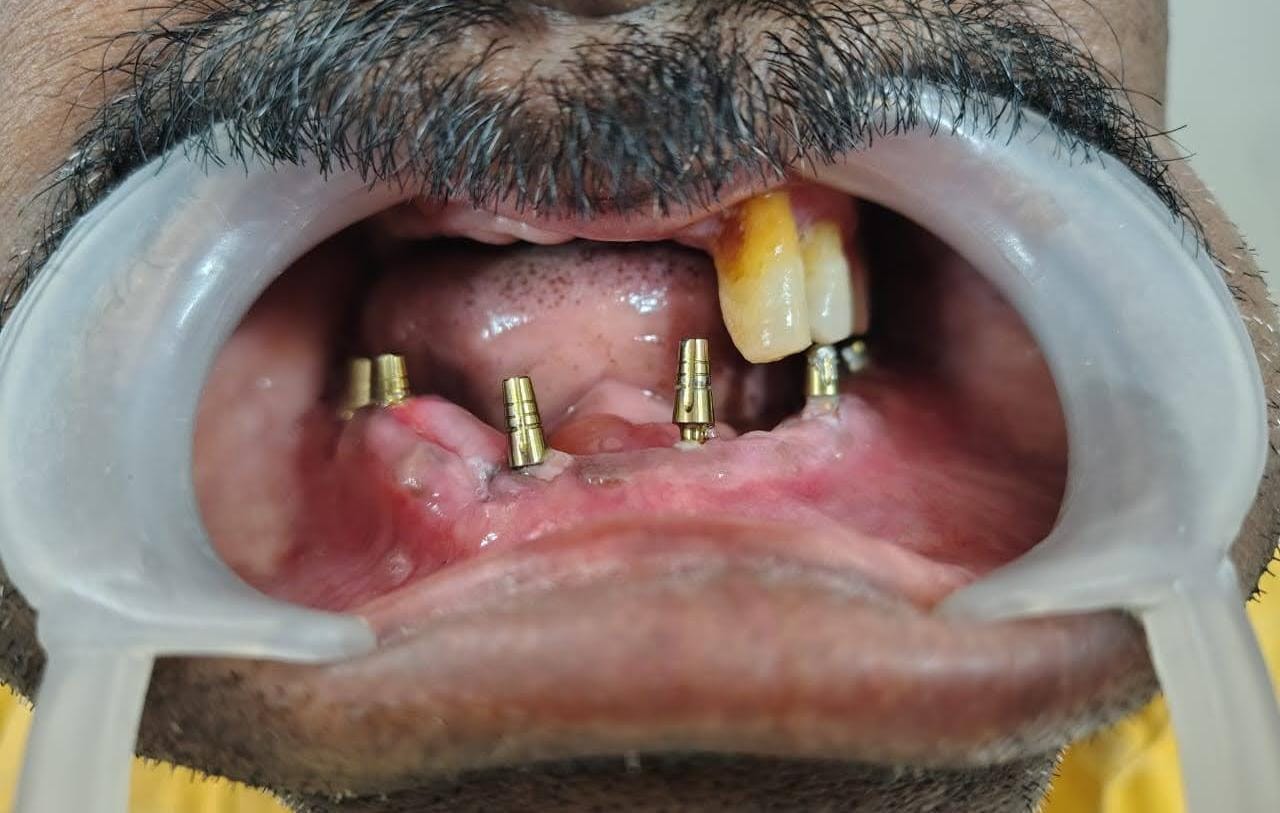
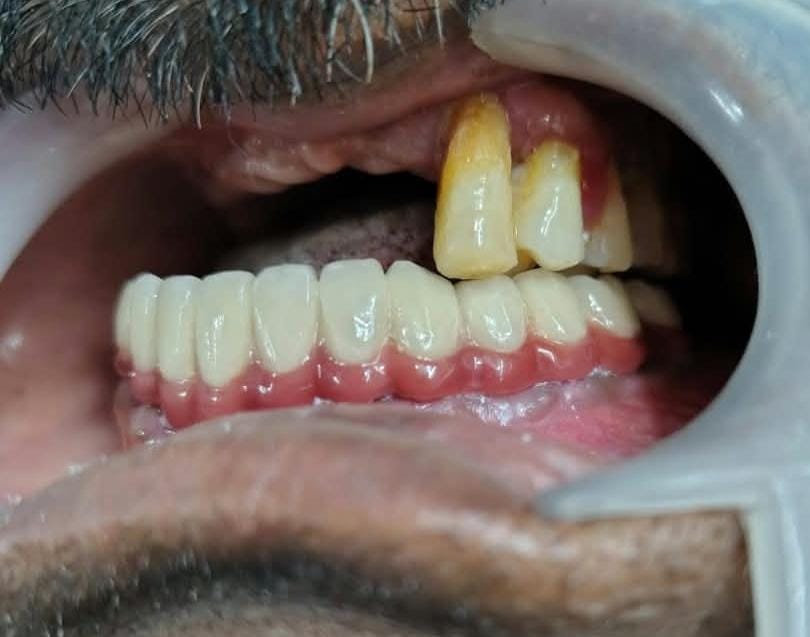
Before
After
Sunil Gade · Pimpri-Chinchwad
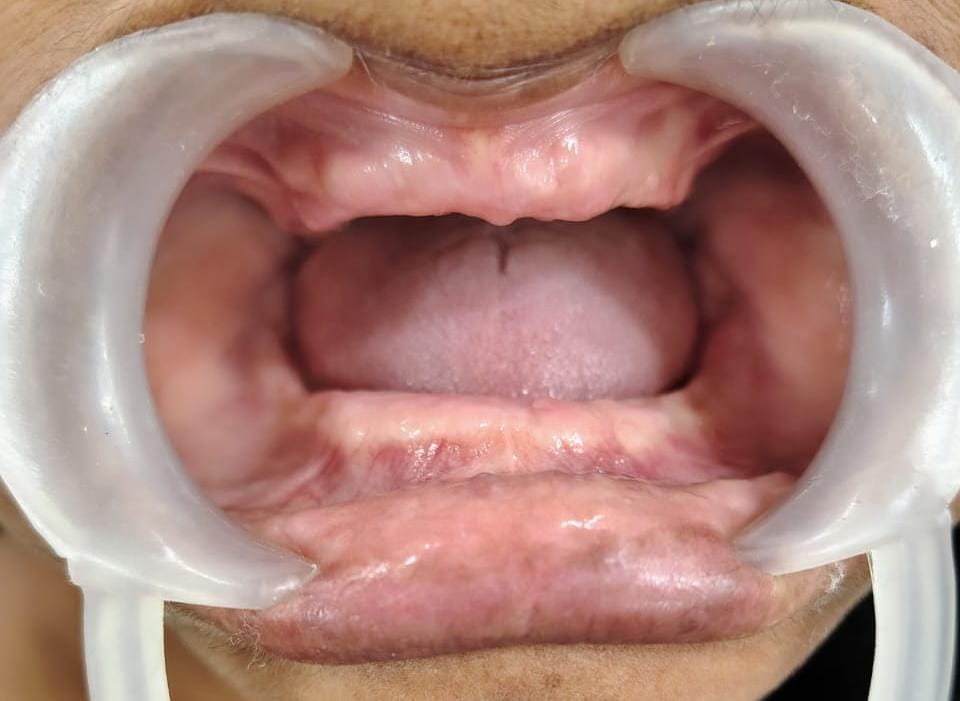
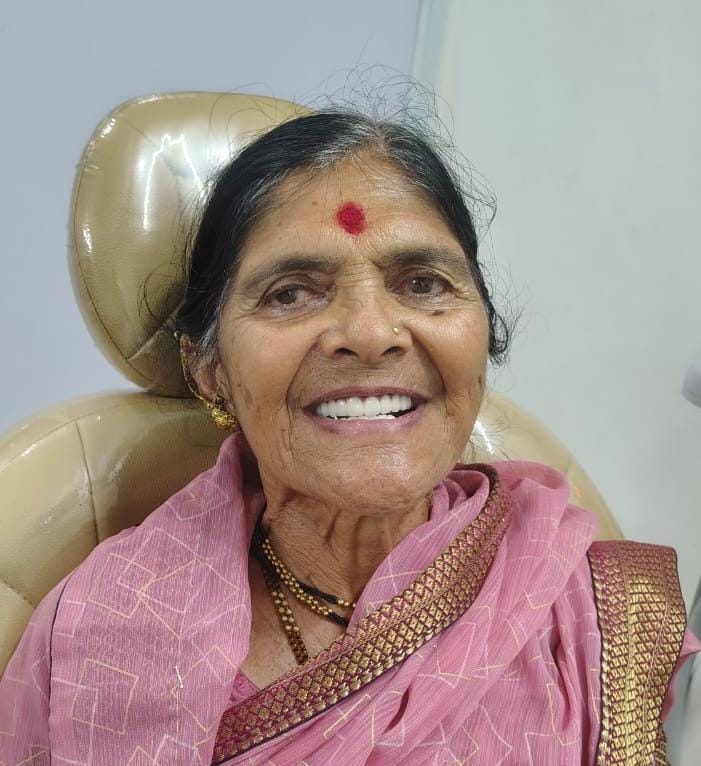
Before
After
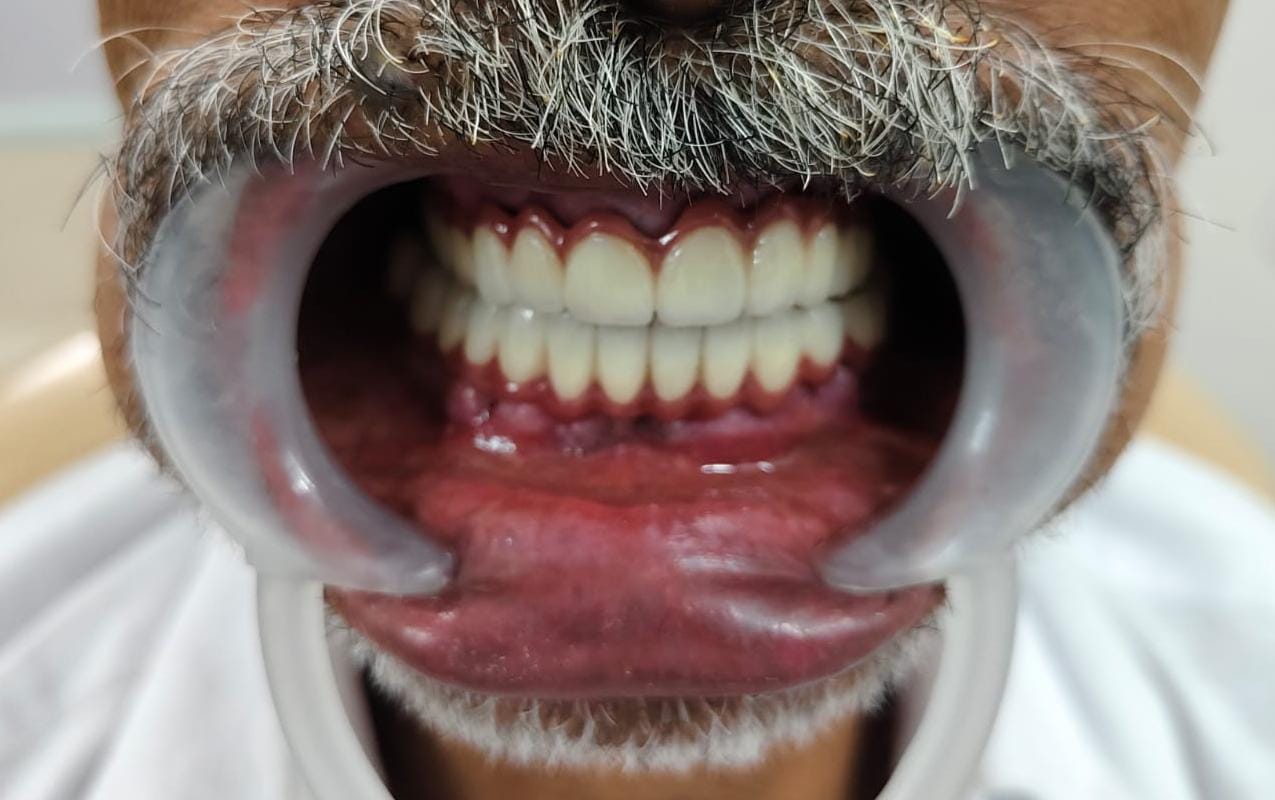
Nirmala Yelwande · Talegaon Dabhade
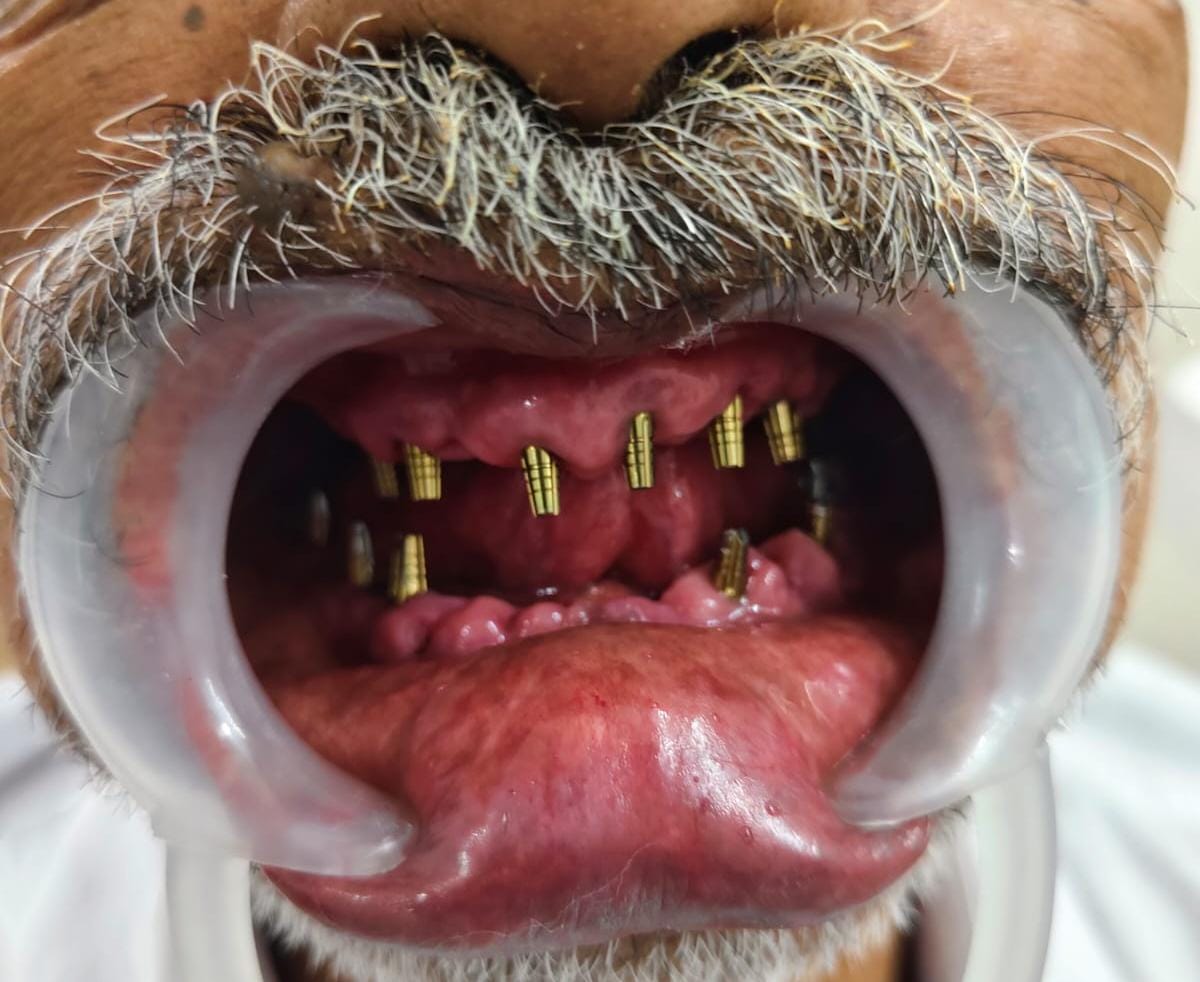
Before
After
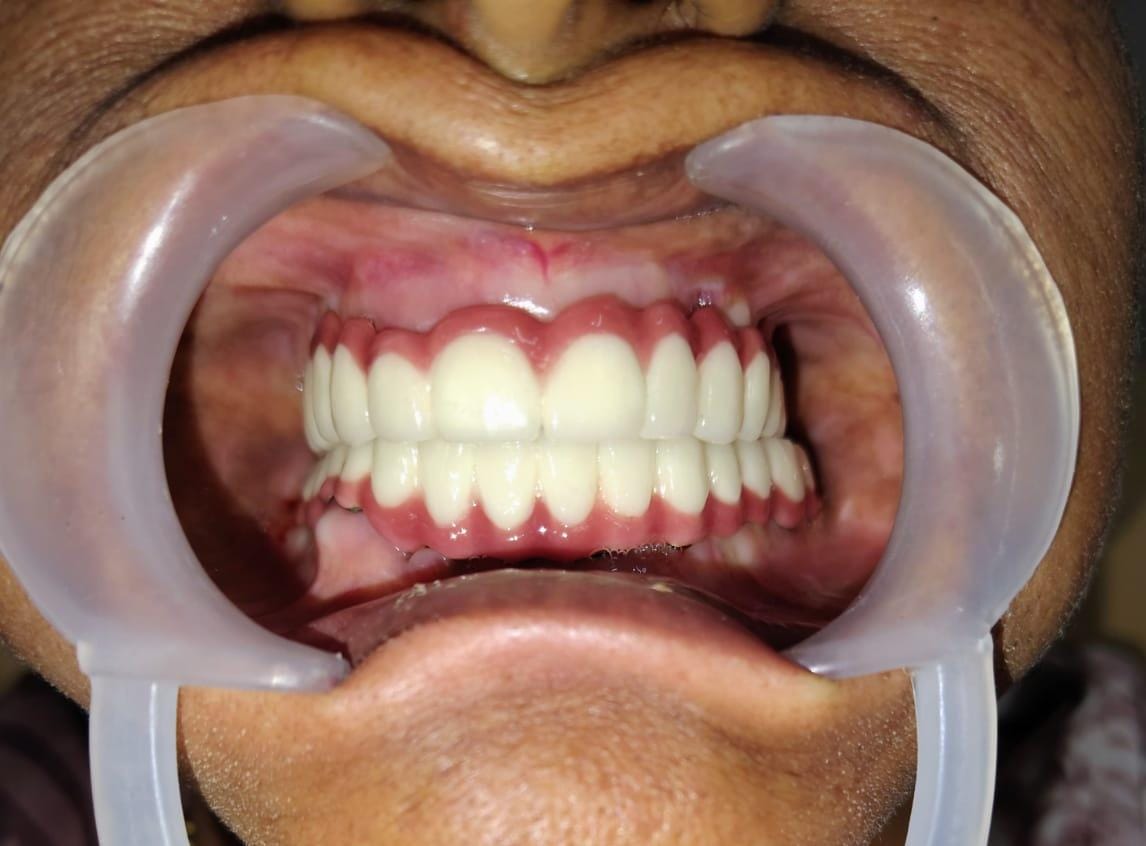
Mr Chandrakant Bhegde · Talegaon Dabhade
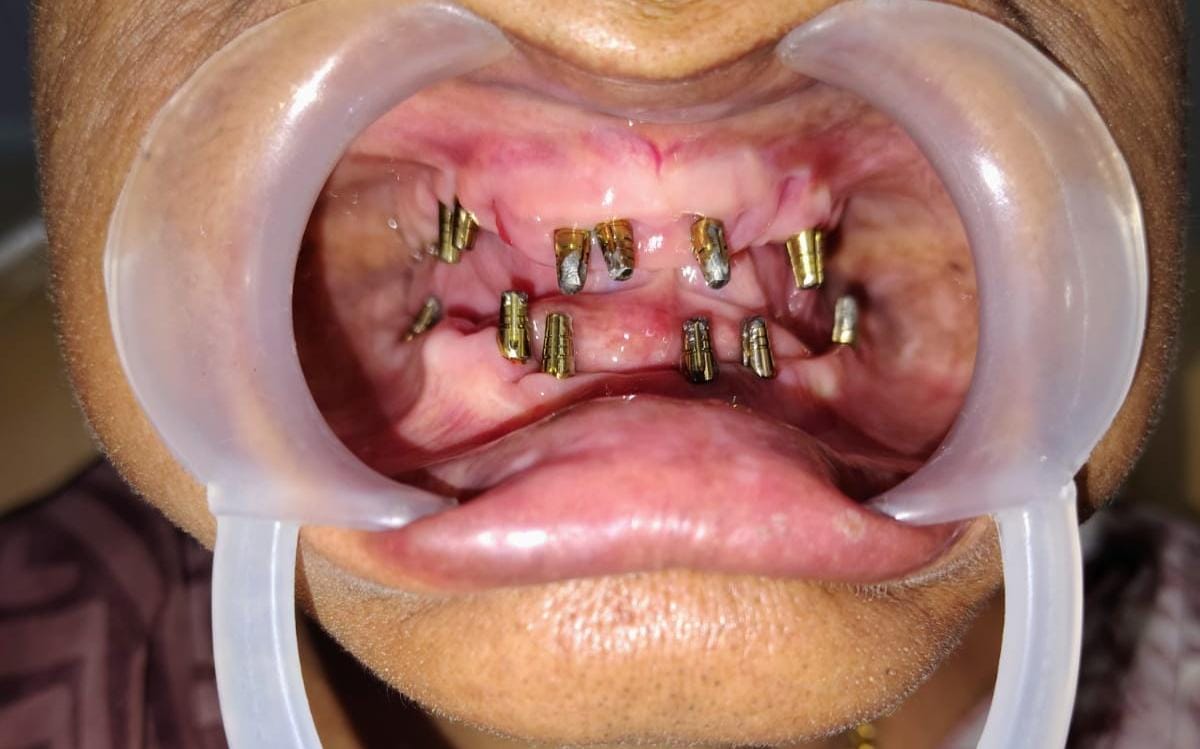
Before
After
Miss Savita Mane · Kolhapur
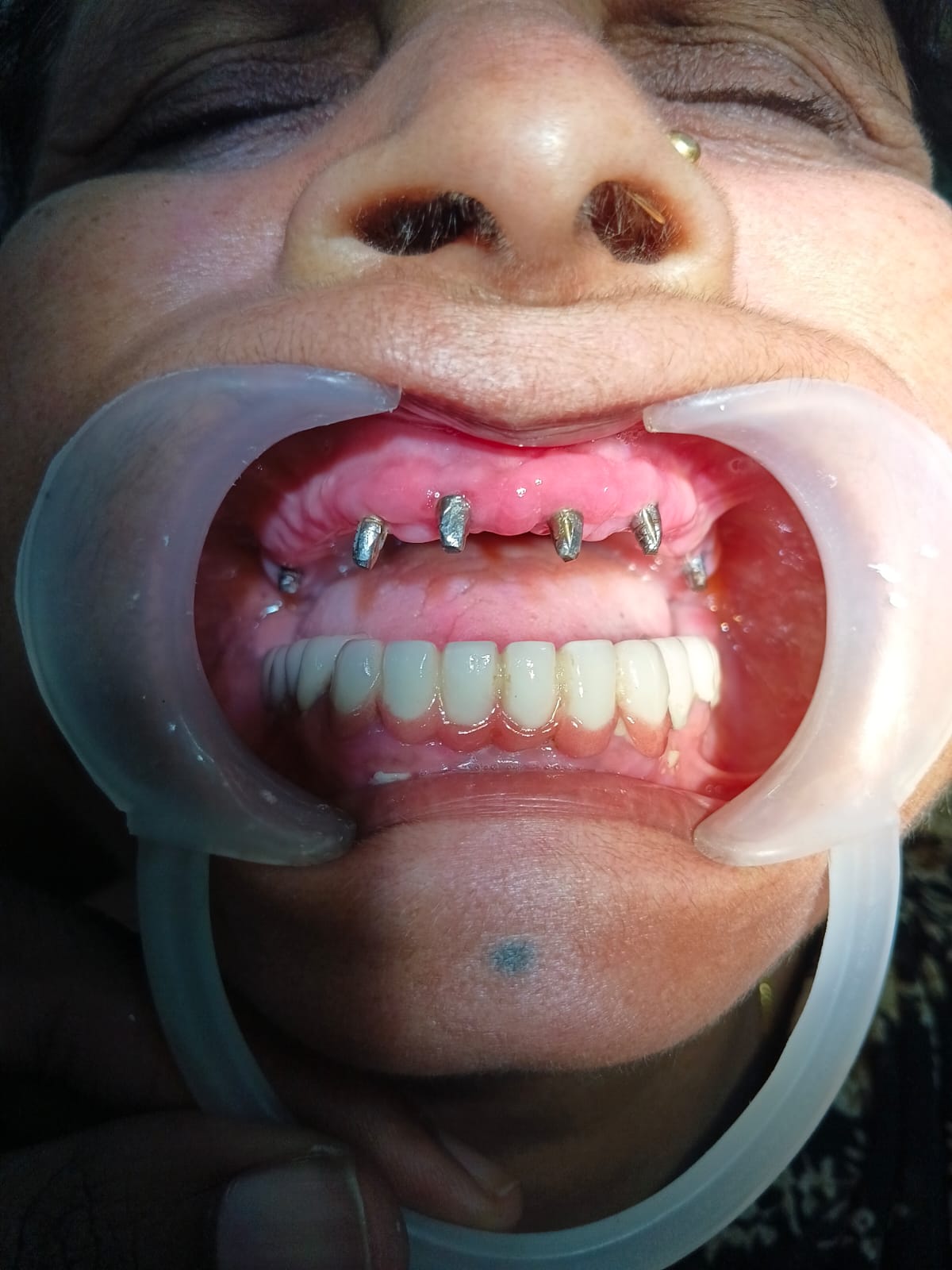
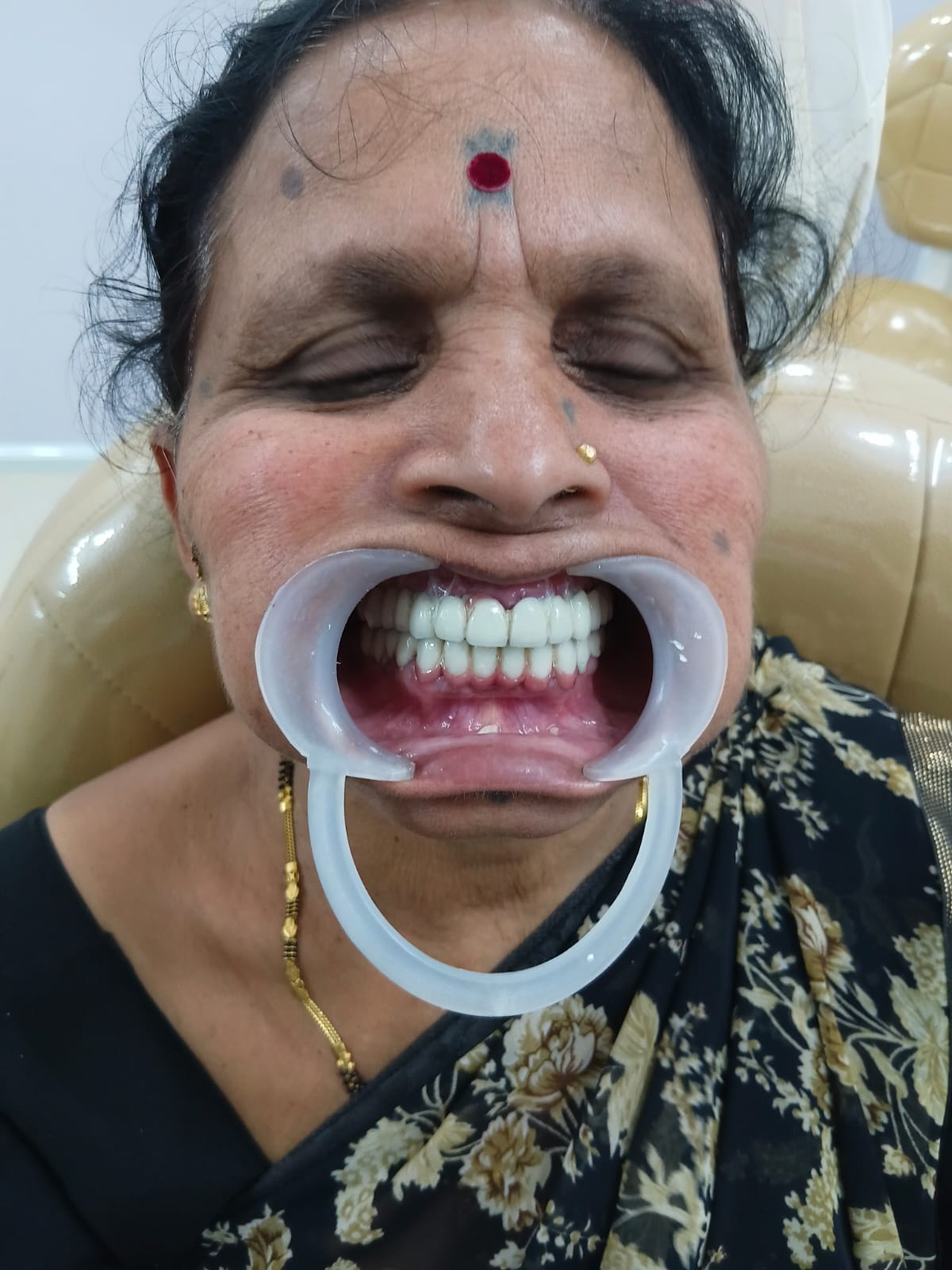
Before
After
Mrs Anjana Parhad · Lonavala
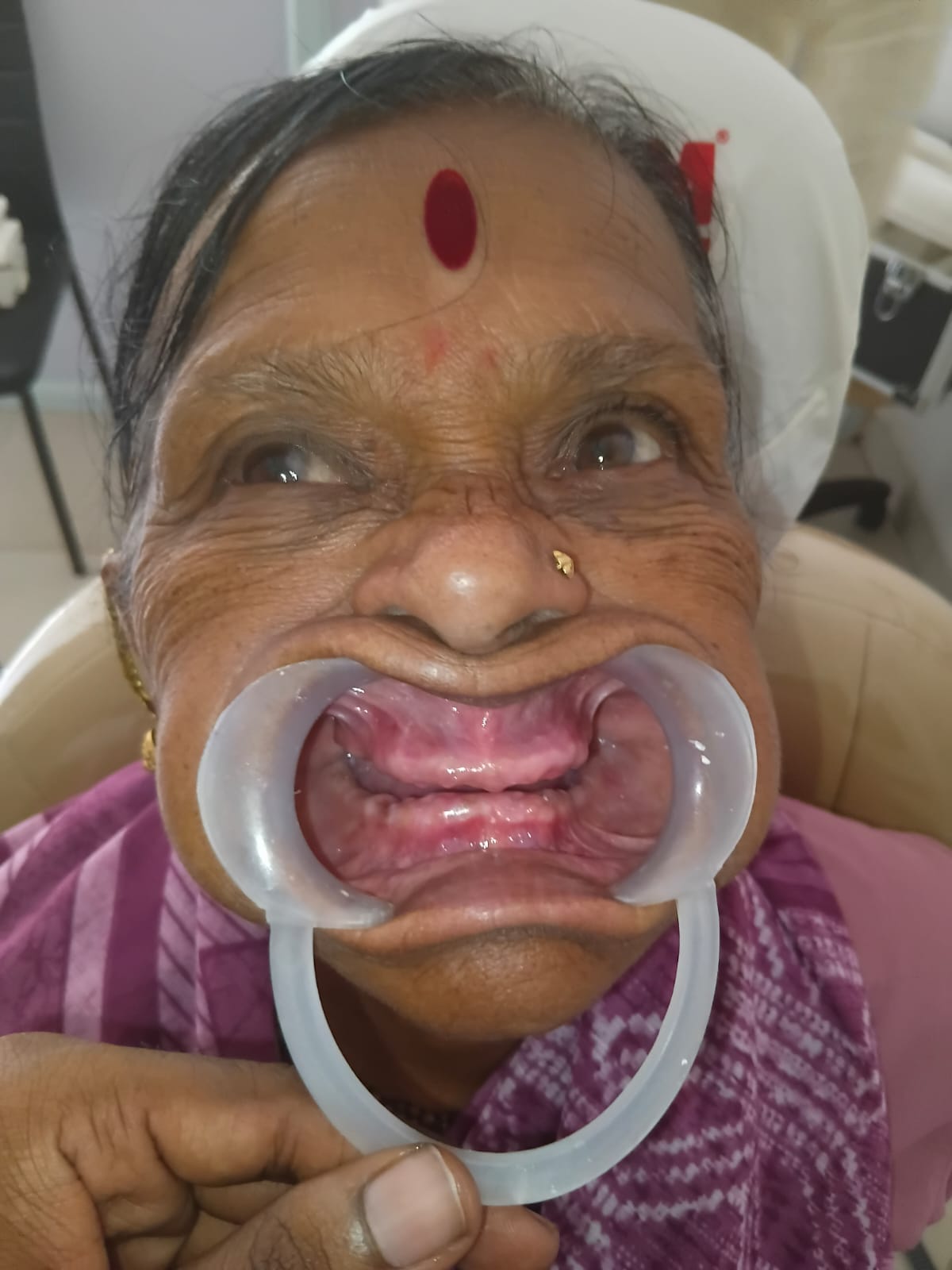
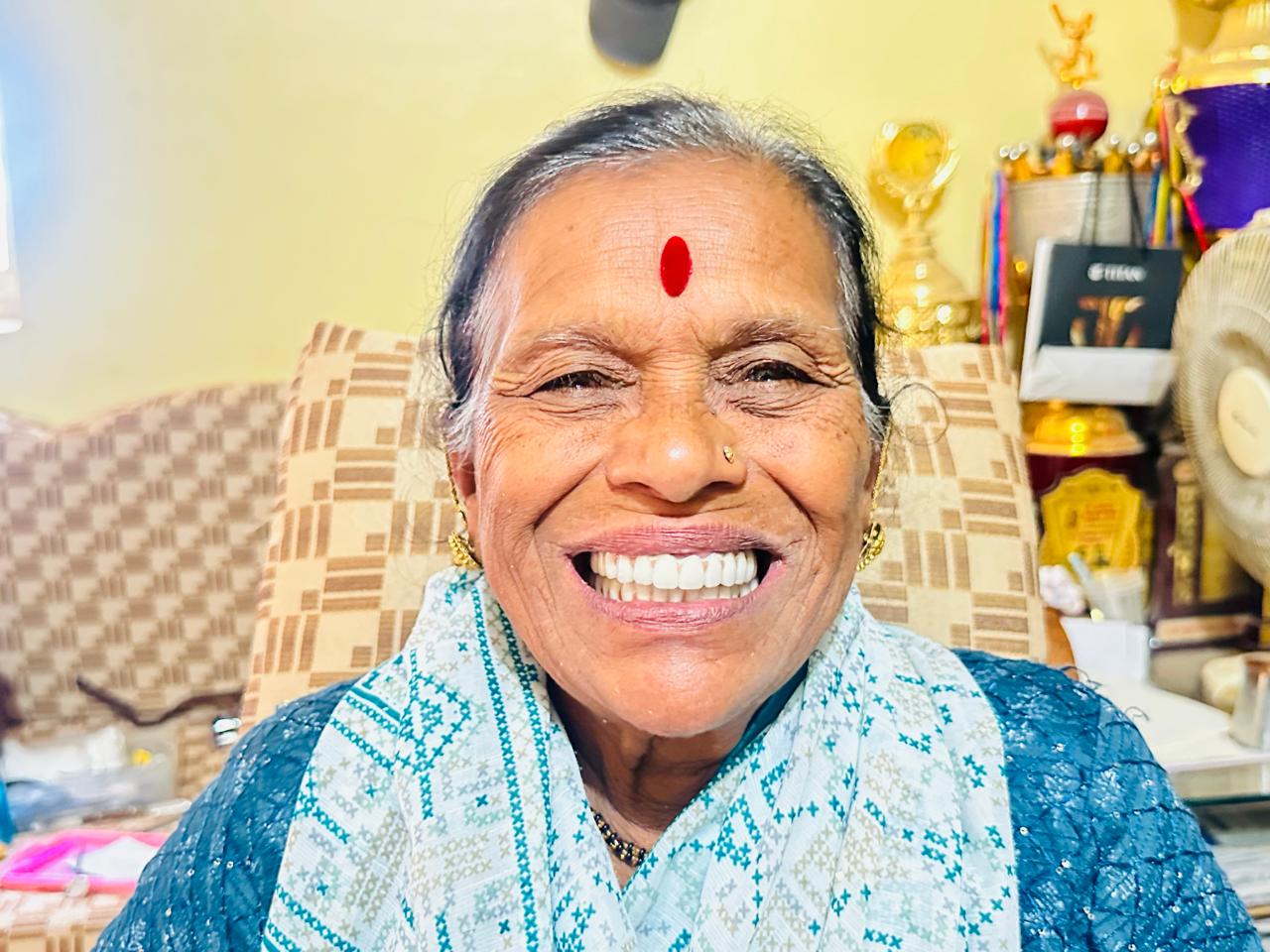
Before
After
Dwarka Kate · Charholi
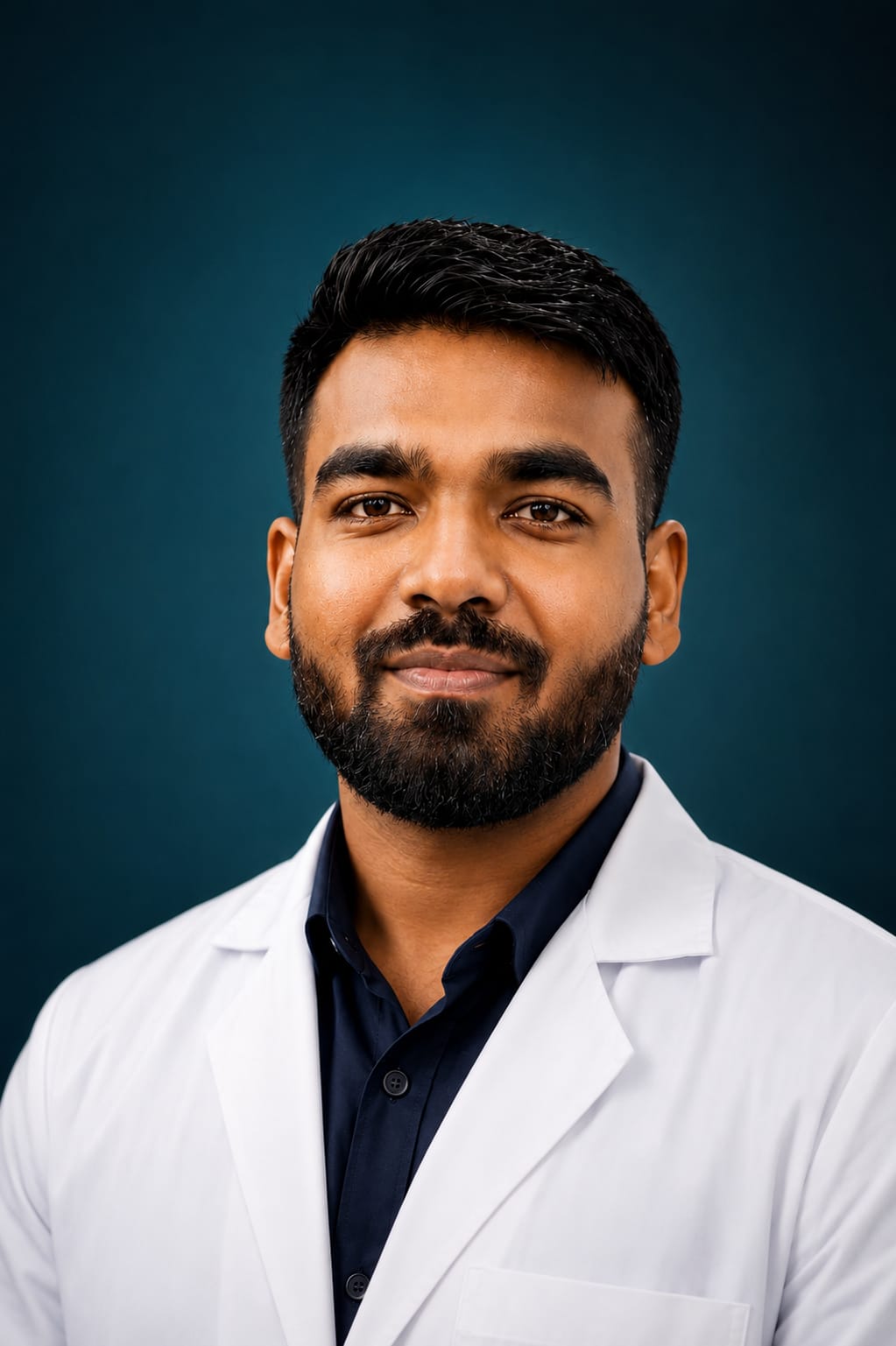
Founder & dental surgeon
With over 10 years of experience in dentistry, Dr. Abhilash Thulkar is a dental surgeon with a strong focus on Full Mouth Rehabilitation and comprehensive smile restoration. With more than 7 years of experience in Full Mouth Rehabilitation, he has worked with patients requiring complex dental reconstruction, functional restoration, and complete smile rehabilitation.
Dr. Abhilash’s professional journey has been shaped by experience across government healthcare institutions, private dental practice, and multiple dental clinics across Pune and Maharashtra.
His early professional experience includes serving as a Medical Officer at Government Rural Hospital, Velhe, where he gained valuable exposure to comprehensive patient care in a rural healthcare setting. He subsequently worked as a Resident Doctor at Yashwantrao Chavan Memorial Hospital (YCM Hospital), Pimpri-Chinchwad, further strengthening his clinical experience and ability to manage diverse and challenging cases.
Following his experience in government institutions, Dr. Abhilash established his private dental practice in Pune and has also worked as a consultant at various dental clinics across Pune and Maharashtra. This extensive exposure has allowed him to work with a wide range of dental conditions and develop a comprehensive approach to complex dental rehabilitation.
The vision
With years of experience in Full Mouth Rehabilitation, Dr. Abhilash envisioned a centre focused on providing patients with a systematic, comprehensive approach to restoring their oral health, function, and smile.
3 Days Smile Centre represents this vision — bringing together clinical experience, advanced treatment planning, and a patient-focused approach to help eligible patients achieve a functional and confident smile within a streamlined treatment protocol.
At the centre, every patient is evaluated individually, with treatment planning based on their oral health, bone condition, functional requirements, and overall clinical needs.
Basal implant FAQs
Understand corticobasal implants, suitability, treatment stages and aftercare. These general answers cannot replace a clinical examination and imaging.
Questions patients often ask
They are dental implants designed to gain support from strong cortical bone. They may be used as part of a fixed-teeth rehabilitation plan for selected patients after clinical and radiographic assessment.
The implant design, bone engagement and treatment protocol differ. Conventional and corticobasal approaches can both be appropriate in different situations; the choice depends on your anatomy, health, bite and treatment needs.
Some people needing multiple teeth or full-mouth rehabilitation may be considered. Suitability cannot be decided from a photograph or symptoms alone; examination, medical history and imaging are essential.
Corticobasal techniques may offer an option in some reduced-bone situations because they use stable cortical bone areas. This does not make every low-bone case suitable, and individual imaging is required.
They can affect healing and risk. Age alone does not decide suitability, but medical control, medicines, smoking habits, oral hygiene and overall health must all be reviewed before treatment.
Treatment is completed in coordinated clinical and laboratory stages. Some protocols are designed for early fixed teeth, but timing varies with the case, healing, prosthetic requirements and the dentist’s findings.
Local anaesthesia is commonly used during treatment. Temporary soreness, swelling or discomfort may occur afterwards. Your dentist will explain pain control and when to seek help based on your procedure and health.
A softer diet is often advised while tissues settle and your bite adapts. Follow the specific food and chewing instructions given by your treating dentist, as they can vary by procedure.
Daily cleaning around the prosthesis and implants is essential. Your dental team may recommend special brushes, flossing aids or a water flosser, together with scheduled professional reviews.
Longevity varies and no fixed lifespan can be guaranteed. Oral hygiene, bite forces, smoking, health conditions, maintenance visits and prosthesis care all influence long-term results.
Possible concerns include pain, swelling, infection, implant instability, bite or speech adjustment, prosthesis complications and the need for further treatment. Your dentist should explain risks specific to your case and available alternatives.
No. Bone, gums, facial features, bite and healing differ between people. Before-and-after photographs show individual experiences and do not promise the same appearance, timing or outcome for everyone.
The expertise
Corticobasal implantology uses stable cortical bone areas to support a fixed prosthesis. It can offer a treatment pathway for selected patients following careful assessment.
Your bone condition, general health and functional needs are evaluated before any recommendation. Timelines and outcomes vary for every patient.
Clinical examination and imaging guide a treatment plan specific to you.
Appointments are coordinated around the planned surgical and prosthetic stages.
The aim is stable function with a smile designed around your face and bite.
Your pathway
A coordinated journey from understanding your condition to receiving and caring for your fixed smile.
We review your dental history, imaging, bone structure and expectations.
Your implant and fixed-teeth stages are planned around clinical findings.
We check function, comfort and hygiene, then explain your follow-up care.
Consultation
Share what is troubling you and what you hope to change. A proper examination is essential before confirming whether this treatment is suitable.